KNX vs sBUSPro: Comparing Building Automation Buses
If you are choosing between KNX vs sBUSPro for a hotel, the short answer is that KNX gives you an open, multi-vendor standard at a higher price, while sBUSPro gives you a lower-cost proprietary bus purpose-built for guest rooms. The right pick depends on whether you value multi-brand flexibility or the tightest possible cost per key. This building automation bus comparison walks through how each one communicates, what it costs, how you program it, and where it scales.
Both systems can run the lights, HVAC, curtains, and do-not-disturb logic in a guest room. The difference shows up in ownership: who supplies the parts, who writes the configuration, and what happens in year ten when you need to expand.
How Do KNX and sBUSPro Approach Device Communication?
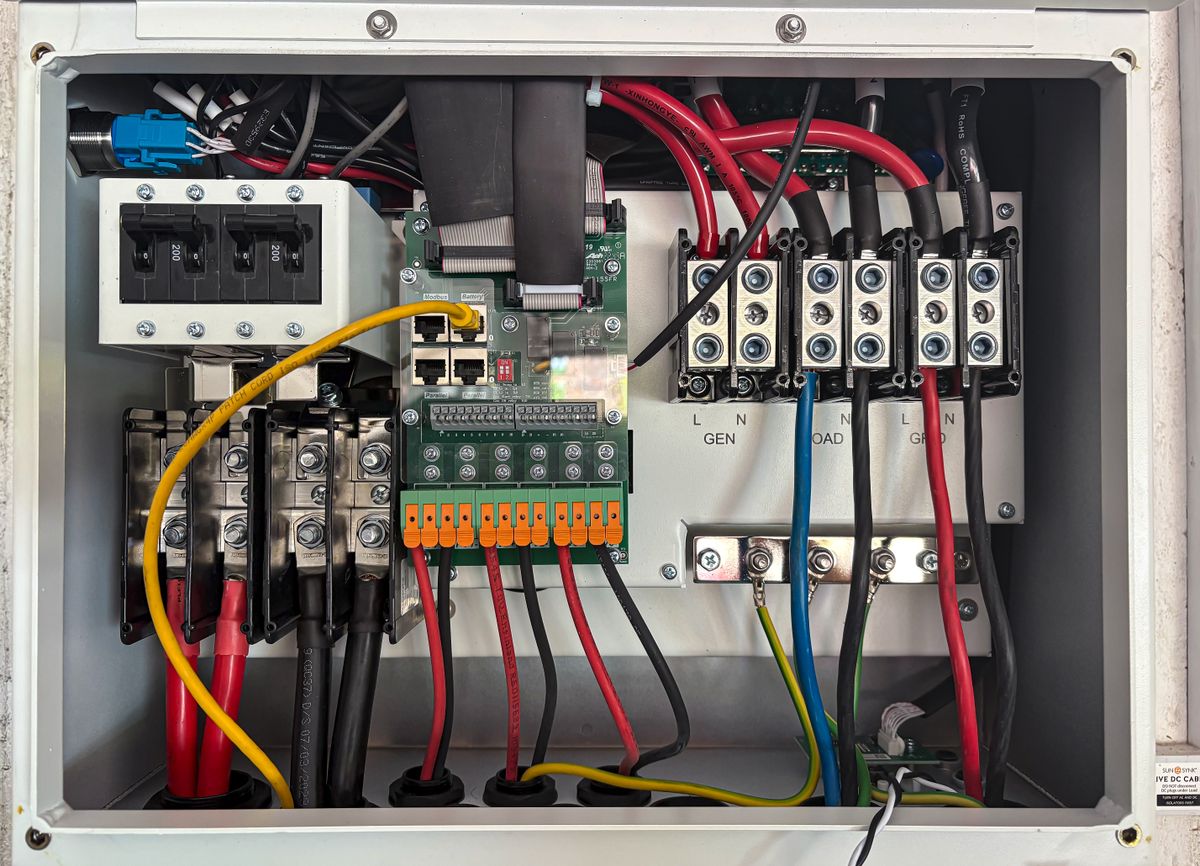
KNX is a decentralized open standard backed by more than 500 manufacturers and over 8,000 certified products, while sBUSPro is a single-vendor bus that runs over RS-485 for hotel guest rooms (KNX Association). The architectural gap matters more than any single feature. KNX devices talk peer-to-peer on the bus with no central controller, so one failed unit does not take down the room.
KNX most often runs on twisted-pair cabling, with powerline, RF, and IP options defined in the same standard. Because the specification is public and conformity-tested, a KNX dimmer from one brand works alongside a KNX thermostat from another.
sBUSPro takes the opposite route. It is a proprietary protocol where the vendor controls the physical layer, the messaging, and the product range. That closed design is a deliberate trade: you give up third-party interoperability and gain a tightly matched, hotel-ready stack. For a room-by-room guest deployment, the simplicity can be an advantage rather than a limitation.
One practical consequence shows up during commissioning. On a proprietary bus, every device speaks the same dialect out of the box, so there are fewer surprises when units from different production batches land on the same segment. For a closer look at how a proprietary hotel bus is structured, see our guide to the sBUSPro protocol explained for hotel automation.
What Are the Hardware Cost and Ecosystem Differences?
KNX carries a broad, premium ecosystem of over 8,000 certified products, while a proprietary bus like sBUSPro concentrates economies in a single vendor and usually lands a lower price per room. Certification and multi-vendor interoperability add cost to every KNX device, which buyers pay for in exchange for brand choice and long-term parts availability.
With KNX you can source a replacement actuator from any member manufacturer for decades. With sBUSPro you depend on one supplier's continuity, which raises the importance of picking a vendor with a stable regional footprint. In the Gulf, that supplier relationship often decides the project more than the spec sheet does.
The ecosystem difference also shapes design freedom. KNX lets an integrator mix lighting, metering, and security brands on one bus. A proprietary hotel system keeps everything in-house, which trims the parts list and simplifies ordering. Smart G4 builds its guest room management hardware on sBUSPro for exactly this reason: a single catalog that covers the lights, HVAC valves, curtain motors, and room panels a hotel actually needs.

Hardware is only part of the number. The tooling you need to program each bus is where the gap widens, so that belongs in the total cost before you compare quotes.
How Do Certification, Tooling, and Programming Compare?
KNX requires the ETS engineering tool, with ETS6 Professional priced at roughly EUR 1,000, while sBUSPro ships free vendor configuration software. That single line changes the math on small jobs. On a boutique hotel, a four-figure tooling license is a real share of the budget, and it recurs whenever you add seats or upgrade versions.
KNX certification is rigorous for a reason. Every product passes conformity testing at an accredited lab before it earns the trademark, which is what makes cross-brand interoperability dependable. The ETS workflow then imports each manufacturer's product file, sets parameters, assigns group addresses, and downloads to the devices. It is powerful and standardized, but it assumes a trained, certified integrator.
sBUSPro keeps the workflow inside one vendor's software. Configuration is free and tuned to the vendor's own devices, so the learning curve is shorter and the toolchain is narrower. For a hotel crew that commissions one brand repeatedly, that focus speeds up rollout. The trade is that those skills do not transfer to other systems.
Here is the honest framing for a buyer. KNX training and tooling are an investment that pays back across many brands and building types. A proprietary toolchain is cheaper to start and faster to learn, but its value stays locked to one supplier. Match the choice to how many different systems your team will realistically run.
Which Bus Scales Better: Hotels or Commercial Buildings?
KNX scales best across large mixed-use commercial buildings because its open standard spans a broad, multi-vendor ecosystem, while sBUSPro scales cleanly within self-contained hotel guest-room deployments. The dividing line is how many unrelated systems need to share one bus.
A commercial tower that must unify lighting, HVAC, access control, metering, and a building management system benefits from the KNX approach. You can standardize once and still buy from many vendors, and any certified integrator in 190 countries can service it later. For a multi-building campus, that portability is worth the premium.
Hotels present a different shape of problem. The work is highly repetitive: the same guest-room logic replicated across hundreds of keys. A proprietary bus thrives here because the room template is fixed and the device list is known. Smart G4 targets this pattern, which is why its sBUSPro systems are common in Middle East hospitality where cost per key drives the decision.
The Saudi market context reinforces the point. The Saudi Arabia building automation system market was valued at USD 1,233.89 million in 2023 and is projected to reach USD 2,022.23 million by 2032 at a 6.37% CAGR (Credence Research). That growth spans both commercial towers and a fast-expanding hospitality pipeline, so both buses have room to win on the right project.
Which Bus Suits Budget-Conscious Hospitality Projects?
For budget-conscious hospitality projects, a proprietary hotel bus such as sBUSPro usually delivers the lower cost per key because single-vendor hardware and free tooling remove the KNX premium and the roughly EUR 1,000 ETS6 Professional license. When the brief is guest rooms rather than a full commercial BMS, that saving flows straight to the bottom line.
The reasoning is straightforward for a hotel owner in Saudi Arabia comparing quotes. You are not trying to blend six brands on one bus. You want reliable room control, a predictable parts supply, and an installer who knows the system. A proprietary stack answers all three at a lower entry price, provided you choose a vendor with solid regional support.
KNX still earns its place when a project is bigger than its guest rooms. Mixed-use developments, multi-property standardization, and heavy third-party integration all favor the open standard, and the higher cost buys genuine flexibility. The question to settle first is scope, not brand.
If your project is primarily guest rooms and you want the tightest cost per key, specify a proprietary GRMS bus and shortlist vendors on parts availability and local support before price. Walk through Smart G4's sBUSPro-based guest room systems with that checklist, and compare the per-key quote against an equivalent KNX design so the trade-off is on paper before you commit.
Frequently asked questions
Is sBUSPro compatible with KNX devices?
No. sBUSPro is a proprietary bus that runs over RS-485 and uses its own messaging, so it does not natively interoperate with KNX devices. Integration between the two requires a gateway or custom bridge.
Does KNX cost more than sBUSPro for a hotel?
Usually yes. KNX adds certified multi-vendor hardware and ETS6 Professional tooling at around EUR 1,000, while sBUSPro keeps per-room hardware lower and ships free configuration software, which lowers the cost per key.
Which bus is better for a large commercial building?
KNX is generally the stronger fit for large mixed-use buildings because its open standard integrates lighting, HVAC, security, metering, and BMS from 500+ manufacturers without vendor lock-in.
Can I avoid vendor lock-in with sBUSPro?
Not entirely. A proprietary bus ties you to one supplier for parts and software. Choosing a vendor with a strong regional presence and spare-parts support reduces the practical risk for a single property.