Building Automation Systems for Hotels: An Overview
Hotel building automation is the practice of linking a property's mechanical and electrical systems, HVAC, lighting, energy metering, and security, under one coordinated control layer. The guest room is only the part most visitors notice. Behind the walls, a building management system orchestrates central plant, public spaces, and back-of-house equipment so the whole property runs as a single, measurable system.
This overview explains what that control layer covers, how the subsystems fit together, and how a guest room management system (GRMS) feeds into the central building management system (BMS). If you are planning a new property or upgrading an older one, the sections below map out the architecture decisions that matter most.
What Does Hotel Building Automation Cover Beyond the Guest Room?
Building automation extends well past the thermostat on the wall. It governs central chiller and boiler plant, air handling units, corridor and lobby lighting, water systems, generators, elevators, and the sensors that watch all of them. The guest room is one zone among hundreds.
A useful way to picture it: the GRMS manages what happens inside each room, while the BMS manages everything shared across the building. Cooling and ventilation are a large part of that shared load. In U.S. commercial buildings, cooling accounted for about 14% (170 billion kWh) of electricity use and ventilation for a further 18% (213 billion kWh), according to the 2018 Commercial Buildings Energy Consumption Survey (U.S. Energy Information Administration, 2018 data). For a hotel, that central plant is exactly what the BMS supervises.
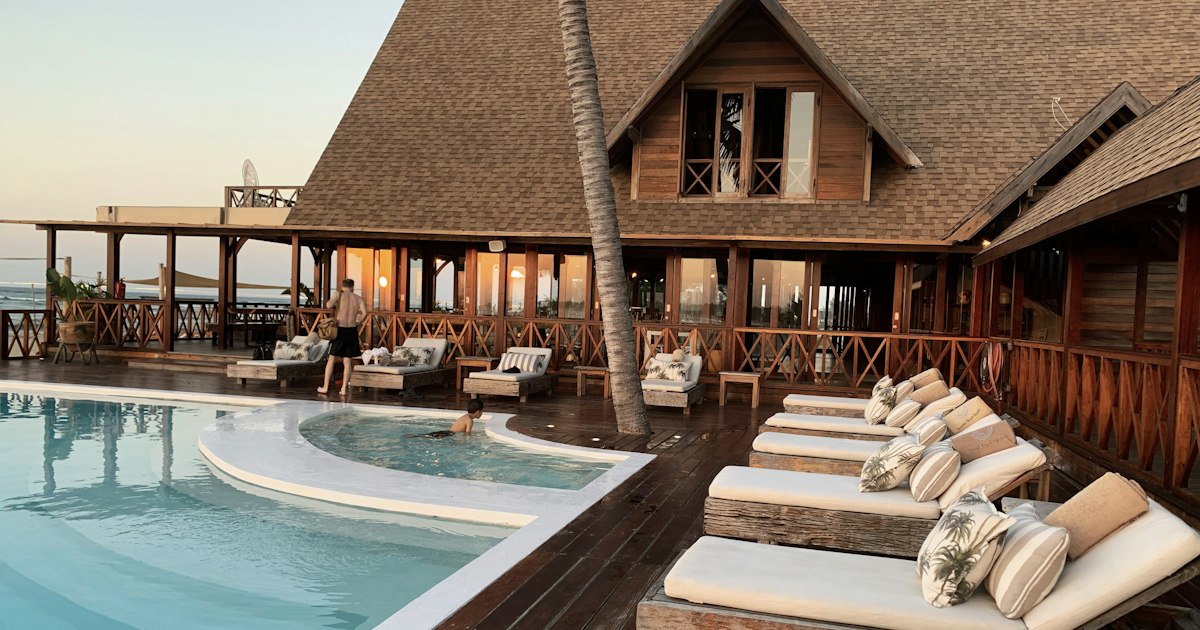
Public areas carry their own logic. Lobbies, meeting rooms, corridors, pools, and kitchens each have schedules, occupancy patterns, and comfort targets that differ from a guest room. Automating them means lighting dims on a timer, make-up air ramps down overnight, and the engineering team sees a single view of the property rather than a wall of disconnected panels.
HVAC, Lighting, Energy, and Security: How the Subsystems Fit Together
The four core subsystems are HVAC, lighting, energy metering, and security. Each can run on its own, but the value appears when they share state. A room that reports itself empty can cue the HVAC to a setback temperature, drop the lights, and arm a door sensor at the same time.
HVAC is the heaviest consumer and the first place automation pays off. Given that cooling and ventilation together represent roughly a third of commercial building electricity, tying climate control to real occupancy is the single most effective move a hotel can make. Space conditioning typically forms the largest slice of a hotel's energy bill.
Lighting control adds scenes, daylight harvesting, and occupancy-based dimming. Energy metering turns all of this into numbers the finance and engineering teams can act on. Security ties card access, door status, and alarms into the same network. When these layers talk to each other, the building behaves intelligently instead of as four separate tools sitting side by side.
How Does a GRMS Connect to Central Building Management?
The GRMS is the room-level layer; the BMS is the property-level layer. They connect through a shared bus protocol or through gateways that translate between protocols, so occupancy, setpoints, and fault data flow upward while schedules and overrides flow back down. This link is what turns isolated smart rooms into a managed building.
In practice, each room controller publishes a handful of signals: is the room occupied, what temperature has the guest selected, is a window open, is the do-not-disturb indicator active. The BMS aggregates those signals across every floor and uses them to stage central plant. When a block of rooms sits empty midweek, the system can relax chilled water demand rather than running flat out for a near-vacant wing.
Smart G4 builds its GRMS on the open sBUSPro protocol, which lets room controllers, lighting modules, and HVAC actuators share one bus and report into a central supervisor. That shared language is what makes the room-to-building handoff clean. For a protocol-level comparison, see KNX vs sBUSPro: comparing building automation buses.
Integration with the property's other software matters too. When the GRMS also talks to the front desk, a checked-out room can immediately switch to an unoccupied energy profile, so the building stops conditioning space no guest is using.
What Data and Monitoring Do Engineering Teams Need?
Engineering teams need a single dashboard that shows live status, historical trends, and active faults across every subsystem. Without it, staff chase problems room by room. With it, they spot a failing air handler or a stuck valve before a guest ever calls the front desk.
Good monitoring answers three questions at a glance: what is running right now, what is consuming more than it should, and what needs attention today. Alarms route to the right technician. Trend logs show whether a recent setpoint change actually cut consumption. Occupancy data reveals which zones are over-conditioned relative to how often they are used.
This is also where the business case firms up. A BMS that logs energy by zone lets a hotel attribute cost to specific systems and verify savings after each change. The pattern of empty rooms being heated or cooled is one of the clearest sources of waste, and occupancy-linked control is the fix.
How Do You Plan an Integrated Automation Architecture?
Plan the architecture around interoperability first and features second. A building automation system that cannot share data between the room layer and the central plant leaves savings on the table. The global building automation market was valued at USD 101.34 billion in 2025 and is projected to reach USD 191.13 billion by 2030 at a CAGR of 13.4% (MarketsandMarkets, 2025), which reflects how quickly properties are standardizing on connected controls.
Start by mapping every subsystem and deciding where it reports. Choose a primary bus protocol that your room controllers, lighting, and HVAC can all speak, then plan gateways for any legacy equipment that speaks something else. Decide early which signals the GRMS must send to the BMS, because retrofitting those links later is expensive.
Phasing matters for occupied properties. Rooms can be converted floor by floor during normal refurbishment so revenue keeps flowing while the automation layer is built out. Think about who owns the data and who holds the dashboard, because the engineering team lives in that interface every day.
A practical next step is to draw your own subsystem map: list the HVAC, lighting, energy, and security equipment in one property, mark which controller each one reports to, and flag any device that cannot yet share its status. Those gaps are your integration roadmap, and closing them is what turns a collection of smart devices into a building that manages itself.
Frequently asked questions
What is the difference between a BMS and a GRMS in a hotel?
A building management system controls property-wide systems such as central chillers, public-area lighting, and energy metering. A guest room management system handles controls inside each room. The GRMS reports room occupancy and setpoints up to the BMS so the two work as one.
Which hotel system saves the most energy through automation?
HVAC usually offers the biggest return. Cooling and ventilation account for about 14% and 18% of U.S. commercial building electricity respectively, so occupancy-based control of heating and cooling in guest rooms and public spaces is where most savings appear.
Do hotel automation subsystems need to use the same protocol?
They do not have to, but they must be able to exchange data. Properties typically run one open bus protocol for broad compatibility and use gateways where legacy equipment speaks a different language, so the BMS still sees everything.
Can building automation be added to an existing hotel?
Yes. Many properties retrofit room-level controls and connect them to a central BMS in phases, often during routine refurbishment, so rooms stay sellable while the automation layer is built out floor by floor.